
20 players, 17 schools
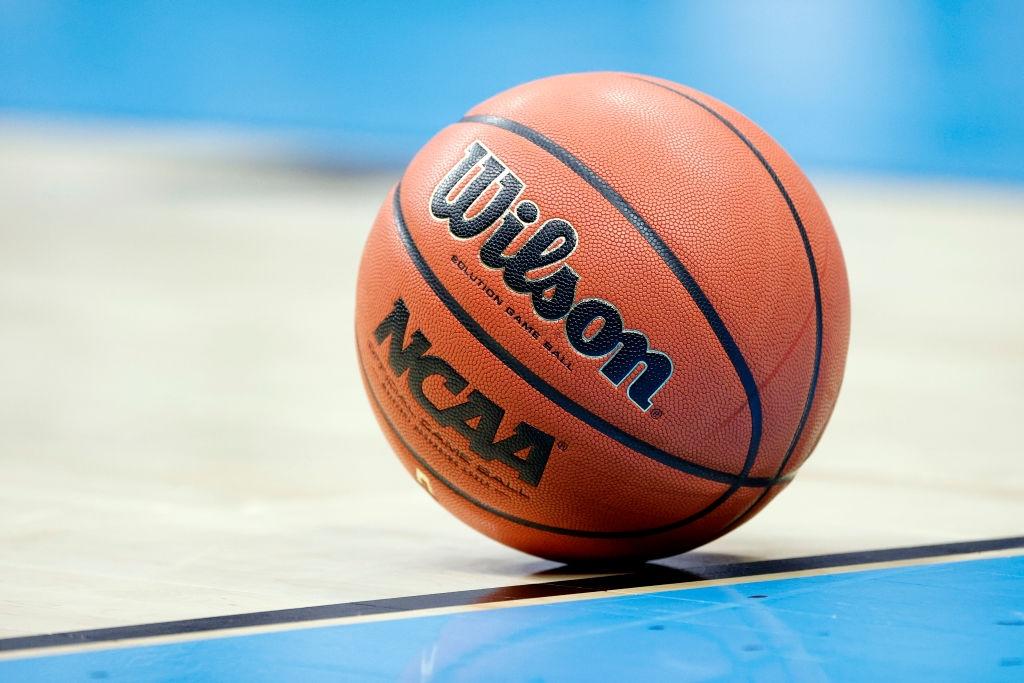
The sports world is reeling, as federal prosecutors have announced that 26 people have been charged with crimes related to point-shaving in men’s college basketball games. Of those people, 20 are players who competed in basketball games in the 2023-2024 and/or 2024-2025 seasons for 17 schools. Four of them played in games this season.
Five of the men named in the federal indictment that was unsealed on Thursday in the Eastern District of Pennsylvania were “fixers,” the people who recruited and managed the players involved in the match-fixing scheme. They allegedly paid the players $10,000 to $30,000 to intentionally manipulate their play to help bettors win millions.
Shane Hennen and Marves Fairley, two of the alleged fixers, were also charged in the recent NBA sports betting scandals.
The four current players – Simeon Cottle, Carlos Hart, Camian Shell, and Oumar Koureissi – allegedly point-shaved in prior seasons, not the 2025-2026 season.
Why this long?
This latest sports betting scandal raises a couple of questions. The first revolves around the dollar amounts involved. According to the indictment, the figures were astronomical. $458,000 on Towson to beat North Carolina A&T, $424,000 on Kent State to cover the first-half spread against Buffalo. On the low end, $30,000 on St. Bonaventure to cover the first-half line against La Salle, and $52,395 on St. John’s to cover the first-half spread against DePaul. The list goes on and on.
So the question raised by many in the gambling community is how in the world were the schemers able to put that much money down without immediately getting caught or having their wagers frozen? Most of the games involved small programs, teams that would not attract much betting activity.
One theory is that the numbers listed are aggregate figures, not single bets. But even then, hundreds or thousands of bets on a normally light game would still sound several alarms. It is also possible that most of the betting was done at unregulated offshore sportsbooks, companies more than happy to take the action and not report it, even if it is risky to their bottom line.
BetRivers was one US-based sportsbook named in the indictment, taking $198,300 on a Chinese Basketball Association game.
That said, the betting volume was likely one thing that led to the indictment, even if it didn’t cause the gambling ring to be halted sooner.
Did legalization help or hurt?
The other question is whether this scandal is partially the result of sports betting being legalized in almost every state, or was legalization and regulation the reason it wasn’t worse? It’s probably a bit of each. The spread of sports betting has certainly made it easier for people to bet whenever and wherever they want, and those concocting schemes don’t necessarily have to go to a bookie in the back room of a butcher shop anymore.
At the same time, though, unusual betting activity is much easier to detect through regulated sportsbooks and electronic evidence trails are not easy to foil. While it’s easier to do wrong, it’s also easier to get caught.


